
ما الذي تبحث عنه؟
?

أصبحت تقنية القطع بنفث الماء من أكثر تقنيات التصنيع تنوعًا ودقةً في مختلف الصناعات، مثل معالجة الأحجار، وتصنيع المعادن، وصناعة السيارات، والفضاء، والديكور المعماري. ولكن من أكثر الأسئلة شيوعًا التي يطرحها المشترون:
تقدم لك هذه المقالة إجابة واضحة قائمة على الخبرة - مدعومة بتطبيقات حقيقية ومقارنات وأسئلة متكررة - لمساعدتك في تقييم ما إذا كان نظام القطع بنفث الماء مناسبًا لعملك.
A صناعي ماكينة قطع بالماء يستخدم الماء ذو الضغط العالي للغاية (عادةً 3000-6000 بار)، والذي يتم خلطه أحيانًا بجزيئات كاشطة مثل العقيق، لقطع المواد.
بخلاف طرق القطع الحراري (الليزر أو البلازما)، فإن القطع بنفث الماء هو عملية قطع بارد، مما يعني:
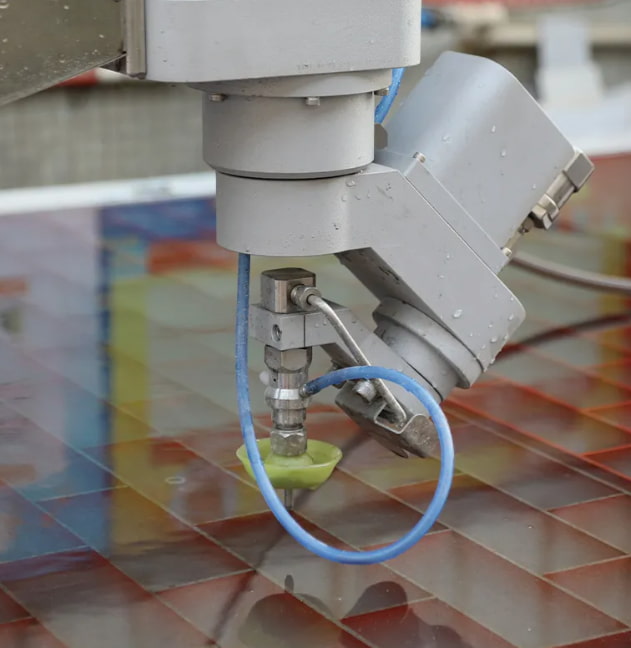
ماكينات القطع المائي متعددة الوظائف تُستخدم على نطاق واسع في مصانع تصنيع الأحجار.
مواد قابلة للقص:
سيناريو تطبيقي حقيقي:
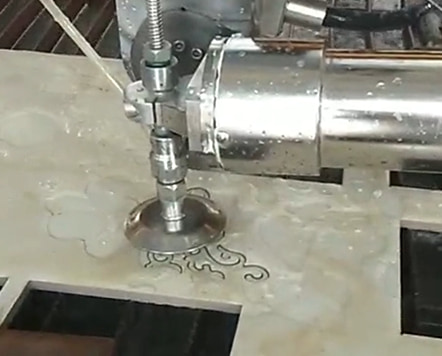
في صناعة أسطح العمل، يمكن لتقنية القطع بنفث الماء أن تقطع فتحات الأحواض المعقدة والحواف المنحنية في ألواح الكوارتز (بسمك 20-30 مم) بحواف نظيفة، مما يلغي الحاجة إلى التلميع الثانوي.
لماذا يُفضّل استخدام تقنية القطع بالماء؟
مواد قابلة للقص:
سيناريو تطبيقي حقيقي:
يمكن لورشة التصنيع قطع ألواح الفولاذ المقاوم للصدأ بسمك 50 مم للشفاه الصناعية دون تشوه حراري - وهو أمر يكافح معه القطع بالليزر عند هذا السمك.
الميزة الرئيسية:
مواد قابلة للقص:
سيناريو تطبيقي حقيقي:
تستخدم شركات الهندسة المعمارية تقنية القطع بنفث الماء لإنشاء ألواح زجاجية مخصصة ذات أنماط معقدة للواجهات والفواصل الداخلية.
لماذا ينجح الأمر؟
مواد قابلة للقص:
سيناريو تطبيقي حقيقي:
غالباً ما تتطلب مشاريع التصميم الداخلي الراقية قطعاً دقيقاً لألواح البورسلين كبيرة الحجم (1200 × 2400 مم) لتركيب الجدران بسلاسة.
مواد قابلة للقص:
سيناريو تطبيقي حقيقي:
في صناعات السيارات والفضاء، يتم استخدام القطع بنفث الماء لألواح ألياف الكربون دون حدوث انفصال الطبقات، وهي مشكلة رئيسية في القطع الميكانيكي.
مواد قابلة للقص:
سيناريو تطبيقي حقيقي:
يستخدم المصنعون تقنية القطع بنفث الماء النقي لقطع الحشيات المطاطية بدقة تكرار عالية وبدون حواف محترقة.
على الرغم من أن تقنية القطع بالماء متعددة الاستخدامات للغاية، إلا أن بعض المواد تتطلب معالجة دقيقة:
| ميزة | تقنية القطع المائي | الليزر |
|---|---|---|
| تأثير الحرارة | لا أحد | عالي |
| نطاق المواد | واسع جداً | محدود (بشكل رئيسي المعادن) |
| قدرة السماكة | ممتاز | محدود |
| دقة | عالي | عالي جدًا (مواد رقيقة) |
خاتمة:
| ميزة | تقنية القطع المائي | منشار جسري |
|---|---|---|
| القدرة على تشكيل الأشكال | المنحنيات المعقدة | قطع مستقيمة |
| جودة الحافة | سلس | قد يتشقق |
| الإجهاد المادي | لا أحد | تشققات محتملة |
خاتمة:
تُعد تقنية القطع بنفث الماء مثالية لمنتجات الحجر المصممة حسب الطلب وذات القيمة العالية، بينما تُعد المناشير أفضل للقطع المستقيم بكميات كبيرة.
س1: هل يمكن لآلة القطع بالماء أن تقطع أي شيء؟
تقريبًا كل شيء، ولكن ليس حرفيًا كل شيء. يمكنه قطع معظم المواد باستثناء الزجاج المقسى وبعض المواد المركبة الهشة للغاية.
س2: ما هو أقصى سمك يمكن أن يقطعه جهاز القطع المائي؟
الفولاذ: حتى 150-200 مم (حسب الطاقة)
الحجر: عادةً ما يتراوح حجمه بين 50 و100 ملم بكفاءة
س٣: هل سيؤدي الماء إلى تلف المادة؟
لا. عملية القطع مُتحكَّم بها ومُحدَّدة الموقع. على سبيل المثال: في معالجة الأحجار، حتى بعد التشغيل المستمر لمدة 48 ساعة، تظل الألواح مستقرة هيكليًا دون أي مشاكل تتعلق بتسرب المياه.
س4: هل قطع الماء النفاث مكلف؟
الاستثمار الأولي أعلى، ولكن:
يُعدّ العائد على الاستثمار قوياً بالنسبة للمصانع متعددة المواد.
س5: لماذا تفضل مصانع الأحجار الراقية تقنية القطع بالماء؟
لأنه يُمكّن من:
عند اختيار نظام القطع بالماء، ينبغي على المشترين التركيز على ما يلي:
ابحث عن آلات تحافظ على دقة ±0.1 مم خلال دورات العمل الطويلة.
المضخة هي الأساس:
أمر بالغ الأهمية للمشترين الأجانب:
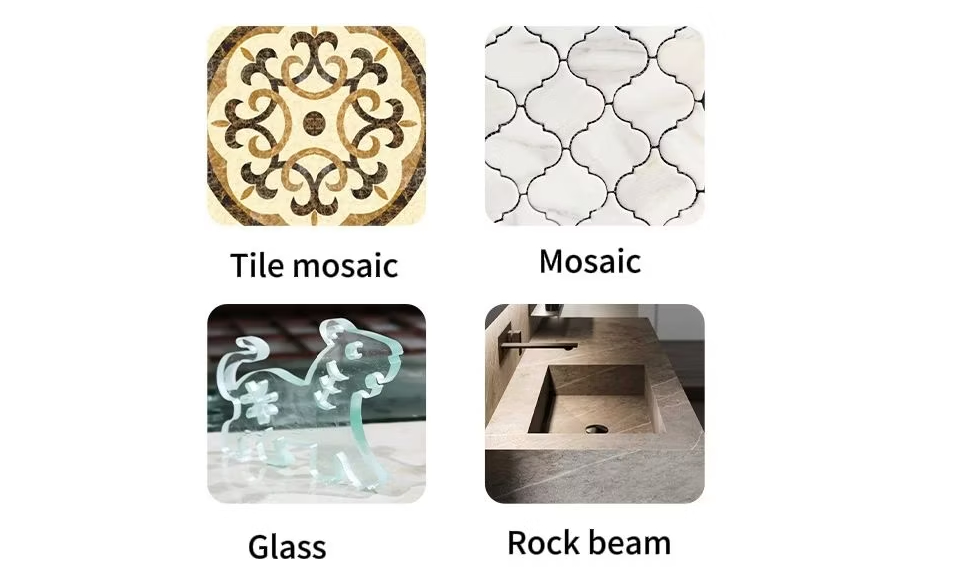
القطع بنفث الماء باستخدام التحكم الرقمي الحاسوبي يتميز بميزة رئيسية واحدة: يمكنها قطع أي مادة تقريباً دون تغيير الأدوات أو العمليات.
من أسطح العمل الجرانيتية إلى أجزاء التيتانيوم المستخدمة في صناعة الطيران، ومن الأعمال الفنية الزجاجية إلى الأختام المطاطية - توفر تقنية القطع بنفث الماء الدقة والمرونة والموثوقية في مختلف الصناعات.
بالنسبة للمشترين في قطاع آلات الحجر، فإن الاستثمار في نظام القطع بنفث الماء لا يقتصر فقط على القطع، بل يتعلق بتوسيع قدرات المنتج ودخول أسواق ذات قيمة أعلى.
ترك رسالة
مسح ضوئي إلى WeChat :

مسح ضوئي إلى WhatsApp :






 شبكة IPv6 مدعومة